Whales: Giants of the Ocean


Whales: Giants of the Ocean

Whales are among the largest and most remarkable animals on Earth. These marine mammals live in oceans around the world, from warm tropical waters to the cold seas surrounding the poles.

Life Beneath the Surface

Although whales spend their lives in water, they breathe air through blowholes located on top of their heads. They must regularly return to the surface to breathe before diving again in search of food or traveling through the ocean.

Whales are warm-blooded, give birth to live young, and nurse their calves with milk. A thick layer of fat called blubber helps protect them from cold water and stores energy during long migrations.

Two Main Groups

Whales are generally divided into baleen whales and toothed whales. Baleen whales filter small animals from the water using flexible plates inside their mouths. This group includes blue whales, humpback whales, and gray whales.

Toothed whales use teeth to catch fish, squid, and other prey. Many of them also use echolocation, producing sounds and listening for returning echoes to understand their surroundings. Sperm whales, belugas, and orcas belong to this group.

The Blue Whale

The blue whale is the largest known animal to have ever lived. An adult can grow longer than a city bus and weigh well over one hundred tonnes. Despite its enormous size, it feeds mainly on tiny crustaceans called krill.

Communication and Migration

Whales communicate using clicks, whistles, pulses, and complex songs. Some sounds can travel across great distances underwater. Humpback whales are especially famous for their long, patterned songs.

Many species migrate thousands of kilometres each year. They often feed in cold, nutrient-rich waters before traveling to warmer regions where they mate and give birth.

Protecting Whales

Commercial hunting once caused severe declines in many whale populations. Today, whales also face threats from fishing gear, ship collisions, underwater noise, pollution, and changes to ocean ecosystems.

Conservation programs, safer fishing practices, protected habitats, and international cooperation can help whale populations recover. Protecting whales also supports healthier oceans because these animals play an important role in marine food webs and nutrient cycles.

Whales: Giants of the Ocean


Whales: Giants of the Ocean

Whales are among the largest and most remarkable animals on Earth. These marine mammals live in oceans around the world, from warm tropical waters to the cold seas surrounding the poles.

Life Beneath the Surface

Although whales spend their lives in water, they breathe air through blowholes located on top of their heads. They must regularly return to the surface to breathe before diving again in search of food or traveling through the ocean.

Whales are warm-blooded, give birth to live young, and nurse their calves with milk. A thick layer of fat called blubber helps protect them from cold water and stores energy during long migrations.

Two Main Groups

Whales are generally divided into baleen whales and toothed whales. Baleen whales filter small animals from the water using flexible plates inside their mouths. This group includes blue whales, humpback whales, and gray whales.

Toothed whales use teeth to catch fish, squid, and other prey. Many of them also use echolocation, producing sounds and listening for returning echoes to understand their surroundings. Sperm whales, belugas, and orcas belong to this group.

The Blue Whale

The blue whale is the largest known animal to have ever lived. An adult can grow longer than a city bus and weigh well over one hundred tonnes. Despite its enormous size, it feeds mainly on tiny crustaceans called krill.

Communication and Migration

Whales communicate using clicks, whistles, pulses, and complex songs. Some sounds can travel across great distances underwater. Humpback whales are especially famous for their long, patterned songs.

Many species migrate thousands of kilometres each year. They often feed in cold, nutrient-rich waters before traveling to warmer regions where they mate and give birth.

Protecting Whales

Commercial hunting once caused severe declines in many whale populations. Today, whales also face threats from fishing gear, ship collisions, underwater noise, pollution, and changes to ocean ecosystems.

Conservation programs, safer fishing practices, protected habitats, and international cooperation can help whale populations recover. Protecting whales also supports healthier oceans because these animals play an important role in marine food webs and nutrient cycles.

Whales: Giants of the Ocean

Whales: Giants of the Ocean

Whales are among the largest and most remarkable animals on Earth. These marine mammals live in oceans around the world, from warm tropical waters to the cold seas surrounding the poles.

Life Beneath the Surface

Although whales spend their lives in water, they breathe air through blowholes located on top of their heads. They must regularly return to the surface to breathe before diving again in search of food or traveling through the ocean.

Whales are warm-blooded, give birth to live young, and nurse their calves with milk. A thick layer of fat called blubber helps protect them from cold water and stores energy during long migrations.

Two Main Groups

Whales are generally divided into baleen whales and toothed whales. Baleen whales filter small animals from the water using flexible plates inside their mouths. This group includes blue whales, humpback whales, and gray whales.

Toothed whales use teeth to catch fish, squid, and other prey. Many of them also use echolocation, producing sounds and listening for returning echoes to understand their surroundings. Sperm whales, belugas, and orcas belong to this group.

The Blue Whale

The blue whale is the largest known animal to have ever lived. An adult can grow longer than a city bus and weigh well over one hundred tonnes. Despite its enormous size, it feeds mainly on tiny crustaceans called krill.

Communication and Migration

Whales communicate using clicks, whistles, pulses, and complex songs. Some sounds can travel across great distances underwater. Humpback whales are especially famous for their long, patterned songs.

Many species migrate thousands of kilometres each year. They often feed in cold, nutrient-rich waters before traveling to warmer regions where they mate and give birth.

Protecting Whales

Commercial hunting once caused severe declines in many whale populations. Today, whales also face threats from fishing gear, ship collisions, underwater noise, pollution, and changes to ocean ecosystems.

Conservation programs, safer fishing practices, protected habitats, and international cooperation can help whale populations recover. Protecting whales also supports healthier oceans because these animals play an important role in marine food webs and nutrient cycles.

Thread Lift Artis - Merdi

Thread Lift Heavy Jowl: Techniques and Lifting Strategies

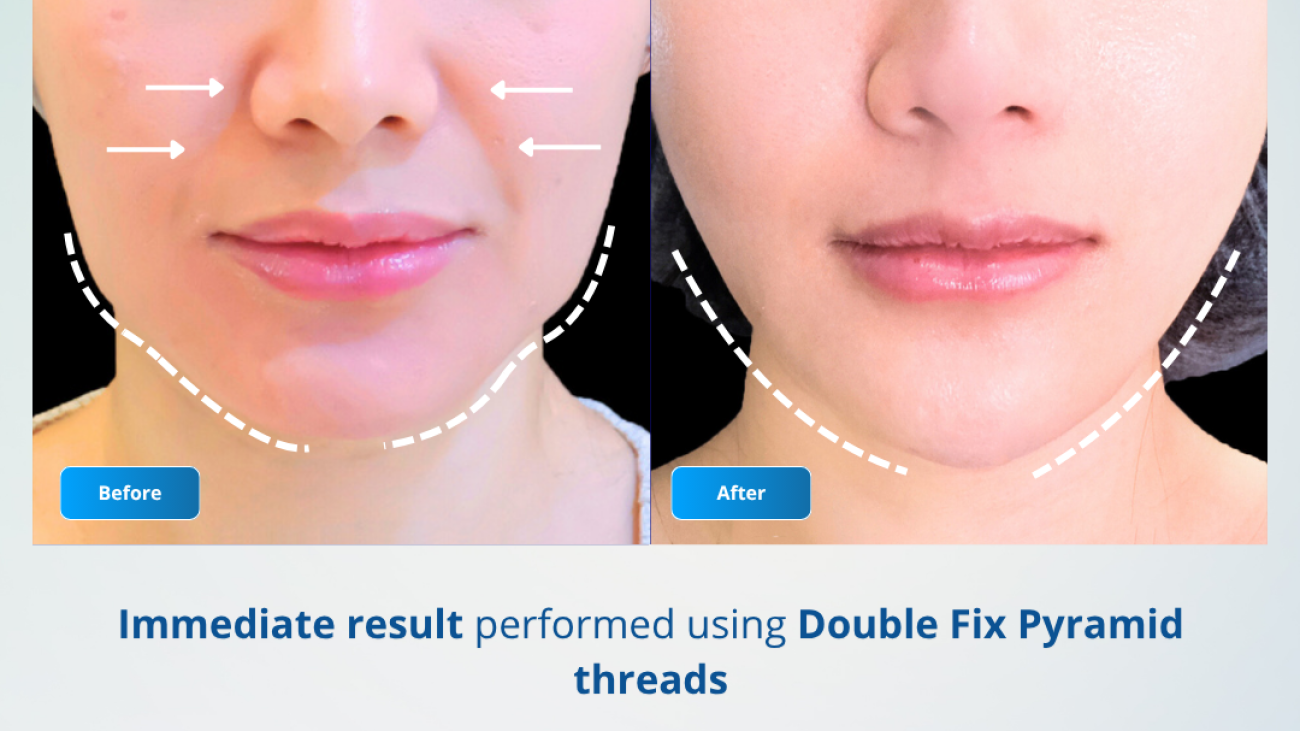
Heavy jowl is one of the most visible changes in lower-face contouring. As the soft tissue of the lower cheek descends, the jowl can appear heavier and the definition of the jawline may become less distinct.

Thread lift for heavy jowl can be a minimally invasive approach to help lift and reposition descended tissue. However, achieving an optimal result is not simply about using stronger or more threads.

For heavy jowl, an effective lifting strategy should consider patient selection, facial anatomy, vector planning, thread design, tissue engagement, and fixation.

The question is not simply:

“How many threads do we need?”

It is:

“Which tissue needs to be repositioned, in which direction, and how can that position be supported?”

What Causes Heavy Jowl?

Heavy jowl is not caused by skin laxity alone. As the face ages, several structural changes can occur simultaneously, including:

  • Reduced skin elasticity
  • Changes in facial fat compartments
  • Soft tissue descent
  • Changes in connective tissue and retaining ligaments
  • Loss of mandibular border definition

As a result, the lower-face tissue descends and the transition between the lower cheek, jowl, and jawline becomes less defined.

This is why treating heavy jowl requires an understanding of the underlying structures and how the tissue has changed—not simply the appearance of loose skin.

How Does Thread Lift Help Heavy Jowl?

In principle, a thread lift provides mechanical support to help reposition descended or ptotic tissue.

For heavy jowl, the lifting target is not simply to elevate the jowl itself, but to improve the overall transition:

Lower Cheek → Jowl → Jawline

An appropriate vector helps direct the tissue toward the desired position, while tissue engagement and fixation support the repositioned tissue.

This is why thread lift for heavy jowl should be approached as a lifting strategy, rather than simply a pulling procedure.

4 Key Strategies for Thread Lift Heavy Jowl

1. Start with Patient Selection

Not every heavy jowl requires the same approach.

Before selecting a thread, the doctor should assess:

  • Degree of skin laxity
  • Skin quality and thickness
  • Fat distribution
  • Degree of tissue descent
  • Jowl position and volume
  • Jawline definition
  • Tissue mobility
  • Facial asymmetry

Patients with mild-to-moderate laxity may respond differently from patients with excessive skin redundancy or significant tissue descent.

The right thread cannot compensate for the wrong indication.

2. Define the Vector Based on the Lifting Target

The vector determines the direction of the lifting force.

For heavy jowl, vector planning should be based on the desired treatment outcome, such as:

  • Repositioning the lower cheek
  • Reducing the appearance of the jowl
  • Improving jawline definition
  • Creating a more natural lower-face contour

The right vector helps direct the tissue rather than simply pulling the skin.

Therefore, thread selection should follow the lifting strategy—not the other way around.

3. Choose the Thread Based on Tissue Characteristics

Thread selection should take into account:

Thread Design + Tissue Characteristics + Lifting Target + Fixation Strategy

In cog threads, cog configuration plays an important role in how the thread engages with the tissue.

Why Does Pyramid Cog Matter?

Double Fix Pyramid features a Pyramid Cog design developed to support tissue engagement through a cog configuration designed for mechanical interaction with the surrounding tissue.

Thread design matters because lifting performance does not depend on tensile strength alone. It also depends on how the lifting force is transferred from the thread to the tissue.

The thread has to engage the tissue—not just pass through it.

4. Don’t Overlook Fixation

Once the tissue has been repositioned, the next question is:

How is that position supported?

This is why fixation is an important part of the lifting strategy.

Double Fix Pyramid integrates a Dual Fixation System as part of its approach to fixation and mechanical support.

The concept considers the relationship between:

Engagement → Vector → Fixation

A strong thread still requires an appropriate fixation strategy so that the lifting force can be applied in a controlled and purposeful direction.

More Threads ≠ More Lift

Using more threads does not automatically result in better lifting.

If the main issue lies in patient selection, vector, tissue engagement, or fixation, adding more threads will not necessarily solve the problem.

What matters more is determining the appropriate type and amount of support based on the patient’s tissue characteristics and lifting target.

Better lifting is not about using more threads. It is about using the right strategy.

Beyond Tensile Strength: What Matters in Thread Lifting?

Tensile strength is an important parameter when evaluating a thread, but it is not the only factor that influences lifting performance.

Doctors should also consider:

  • Tissue engagement
  • Anchoring
  • Holding strength
  • Fixation
  • Vector
  • Thread design
  • Tissue characteristics

Double Fix Pyramid combines an engineering approach through Pyramid Cog, Dual Fixation System, HEATLESS Technology, and tensile strength of up to 5.3 kg.

This approach positions tensile strength as one component of a broader mechanical system—how the thread engages, anchors, and supports tissue according to the planned lifting strategy.

HEATLESS Technology

Thread performance is influenced not only by thread design, but also by how the thread is formed.

HEATLESS Technology is used in the development of Double Fix Pyramid as an approach to forming the thread without using heat to create the cog structure.

By combining thread design and manufacturing technology, Double Fix Pyramid is engineered to support consistent thread characteristics and controlled mechanical interaction with tissue.

When Is Thread Lift Appropriate for Heavy Jowl?

Thread lift for heavy jowl may be considered for patients with mild-to-moderate tissue laxity who are seeking improvement in lower-face contour through a minimally invasive approach.

However, thread lift is not a solution for every degree of facial aging.

Patients with excessive skin redundancy, significant tissue descent, or certain tissue characteristics may require further assessment and a different treatment approach.

Therefore, patient selection remains one of the foundations of successful thread lifting.

Conclusion

Treating heavy jowl with thread lift is not simply about pulling tissue upward.

A more targeted lifting strategy requires:

Patient Selection → Anatomical Assessment → Vector Planning → Thread Selection → Tissue Engagement → Fixation

This is where thread engineering becomes relevant.

With Pyramid Cog, Dual Fixation System, HEATLESS Technology, and tensile strength of up to 5.3 kg, Double Fix Pyramid is engineered not only around thread strength, but also around how the thread interacts with and supports tissue as part of a comprehensive lifting strategy.

However, thread technology must still be supported by appropriate indications, anatomical understanding, and proper clinical technique.

Better lifting is not about pulling harder.
It is about knowing what to lift, where to lift, and how to support it.

Thread Lift Artis - Merdi

Cara Mengatasi Heavy Jowl dengan Thread Lift: Teknik dan Strategi Lifting

Heavy jowl merupakan salah satu perubahan kontur wajah yang paling terlihat pada lower face. Penurunan jaringan pada area lower cheek dapat membuat jowl tampak lebih penuh dan definisi jawline menjadi berkurang.

Thread lift dapat menjadi salah satu pendekatan minimally invasive untuk membantu melakukan lifting dan reposisi jaringan. Namun, hasilnya tidak hanya ditentukan oleh seberapa kuat atau seberapa banyak thread yang digunakan.

Pada kasus heavy jowl, strategi lifting perlu mempertimbangkan patient selection, anatomi, vector, thread design, tissue engagement, dan fixation.

Pertanyaannya bukan sekadar “berapa banyak thread yang dibutuhkan?”, tetapi:

“Jaringan mana yang perlu direposisi, ke arah mana, dan bagaimana support-nya dipertahankan?”

Apa yang Menyebabkan Heavy Jowl?

Heavy jowl tidak hanya disebabkan oleh kulit yang kendur. Seiring bertambahnya usia, beberapa perubahan dapat terjadi secara bersamaan, termasuk:

  • Berkurangnya elastisitas kulit
  • Perubahan posisi facial fat compartments
  • Penurunan soft tissue
  • Perubahan jaringan ikat dan retaining ligaments
  • Berkurangnya definisi mandibular border

Akibatnya, jaringan lower face mengalami descent dan kontur antara lower cheek, jowl, dan jawline menjadi kurang tegas.

Karena itu, treatment heavy jowl perlu melihat struktur dan pergerakan jaringan secara keseluruhan, bukan hanya permukaan kulit.

Bagaimana Thread Lift Membantu Heavy Jowl?

Secara prinsip, thread lift memberikan mechanical support untuk membantu mereposisi jaringan yang mengalami ptosis.

Pada heavy jowl, target lifting bukan hanya mengangkat area jowl, tetapi membantu memperbaiki transisi:

Lower Cheek → Jowl → Jawline

Vector yang tepat membantu mengarahkan jaringan menuju posisi yang diinginkan, sementara tissue engagement dan fixation membantu mendukung reposisi tersebut.

Inilah mengapa thread lift bukan sekadar pulling procedure, tetapi sebuah lifting strategy.

4 Strategi Penting Mengatasi Heavy Jowl

1. Mulai dari Patient Selection

Tidak semua heavy jowl membutuhkan pendekatan yang sama.

Sebelum menentukan thread, dokter perlu mengevaluasi:

  • Derajat skin laxity
  • Kualitas dan ketebalan kulit
  • Distribusi jaringan lemak
  • Derajat tissue descent
  • Posisi jowl
  • Definisi jawline
  • Mobilitas jaringan
  • Asimetri wajah

Pasien dengan mild-to-moderate laxity dapat memberikan respons yang berbeda dibandingkan pasien dengan excessive skin redundancy atau significant tissue descent.

The right thread cannot compensate for the wrong indication.

2. Tentukan Vector Berdasarkan Target Lifting

Vector menentukan arah gaya lifting.

Pada heavy jowl, vector perlu dirancang berdasarkan target treatment, seperti:

  • Mereposisi lower cheek
  • Mengurangi tampilan jowl
  • Membantu mempertegas jawline
  • Menciptakan kontur lower face yang lebih natural

Vector yang tepat membantu dokter mengarahkan jaringan, bukan sekadar menarik kulit.

Karena itu, thread selection sebaiknya mengikuti lifting strategy, bukan sebaliknya.

3. Pilih Thread Berdasarkan Karakteristik Jaringan

Pemilihan thread perlu mempertimbangkan:

Thread Design + Tissue Characteristics + Lifting Target + Fixation Strategy

Pada cog thread, konfigurasi cog berperan dalam bagaimana thread melakukan tissue engagement.

Why Pyramid Cog Matters

Double Fix Pyramid menggunakan desain Pyramid Cog yang dikembangkan untuk mendukung tissue engagement melalui konfigurasi cog yang berorientasi pada mechanical interaction dengan jaringan.

Desain thread menjadi penting karena lifting tidak hanya bergantung pada tensile strength, tetapi juga pada bagaimana gaya diteruskan dari thread ke jaringan.

The thread has to engage the tissue—not just pass through it.

4. Perhatikan Fixation

Setelah jaringan direposisi, pertanyaan berikutnya adalah bagaimana posisi tersebut mendapatkan support.

Inilah mengapa fixation menjadi bagian penting dari lifting strategy.

Double Fix Pyramid mengintegrasikan Dual Fixation System sebagai bagian dari pendekatan fixation dan mechanical support.

Konsep ini mempertimbangkan hubungan antara:

Engagement → Vector → Fixation

Karena thread yang kuat tetap membutuhkan strategi fixation yang tepat agar gaya lifting dapat diterapkan secara terarah.

More Threads ≠ More Lift

Menambahkan lebih banyak thread tidak otomatis menghasilkan lifting yang lebih baik.

Jika masalah utamanya terdapat pada patient selection, vector, tissue engagement, atau fixation, penggunaan thread tambahan tidak serta-merta menyelesaikan masalah tersebut.

Yang lebih penting adalah menentukan jumlah dan jenis support berdasarkan kondisi jaringan serta target lifting.

Better lifting is not about using more threads. It is about using the right strategy.

Beyond Tensile Strength: What Matters in Thread Lifting?

Tensile strength merupakan salah satu parameter penting dalam thread, tetapi bukan satu-satunya faktor yang menentukan performa lifting.

Dokter juga perlu mempertimbangkan:

  • Tissue engagement
  • Anchoring
  • Holding strength
  • Fixation
  • Vector
  • Thread design
  • Tissue characteristics

Double Fix Pyramid menggabungkan pendekatan engineering melalui Pyramid Cog, Dual Fixation System, HEATLESS Technology, dan tensile strength hingga 5.3 kg.

Pendekatan ini menempatkan kekuatan thread sebagai bagian dari sistem yang lebih luas—bagaimana thread engage, anchor, dan support tissue sesuai strategi lifting.

HEATLESS Technology

Selain desain thread, proses pembentukan juga menjadi bagian dari engineering.

HEATLESS Technology digunakan dalam pengembangan Double Fix Pyramid sebagai pendekatan pembentukan thread tanpa proses pemanasan untuk membentuk cog.

Dengan menggabungkan desain dan manufacturing technology, Double Fix Pyramid dirancang untuk mendukung karakteristik thread yang konsisten dan mechanical interaction yang terarah.

Kapan Thread Lift Cocok untuk Heavy Jowl?

Thread lift dapat dipertimbangkan pada pasien dengan mild-to-moderate tissue laxity yang menginginkan perbaikan kontur lower face melalui pendekatan minimally invasive.

Namun, thread lift bukan solusi untuk semua tingkat facial aging.

Pasien dengan excessive skin redundancy, significant tissue descent, atau kondisi jaringan tertentu mungkin membutuhkan evaluasi dan pendekatan treatment yang berbeda.

Karena itu, patient selection tetap menjadi fondasi dari hasil thread lift.

Kesimpulan

Mengatasi heavy jowl dengan thread lift bukan hanya tentang menarik jaringan ke arah atas.

Strategi lifting yang lebih terarah membutuhkan kombinasi:

Patient Selection → Anatomical Assessment → Vector Planning → Thread Selection → Tissue Engagement → Fixation

Di sinilah engineering sebuah thread menjadi relevan.

Dengan Pyramid Cog, Dual Fixation System, HEATLESS Technology, dan tensile strength hingga 5.3 kg, Double Fix Pyramid dikembangkan bukan hanya untuk menghasilkan thread yang kuat, tetapi untuk mendukung bagaimana thread berinteraksi dengan jaringan sebagai bagian dari strategi lifting.

Namun, teknologi thread tetap harus didukung oleh indikasi yang tepat, pemahaman anatomi, dan teknik dokter yang sesuai.

Better lifting is not about pulling harder.
It is about knowing what to lift, where to lift, and how to support it.
Strategia vincenti per il gioco con dealer dal vivo: i migliori approcci cross‑platform su iOS e Android

Nel 2026 il mercato del mobile gaming ha raggiunto una maturità senza precedenti: gli utenti non solo chiedono grafiche accattivanti e gameplay fluido, ma anche la possibilità di interagire in tempo reale con dealer professionisti. I casinò online hanno risposto sviluppando soluzioni “live dealer” che funzionano perfettamente sia su iOS che su Android, superando le tradizionali barriere di compatibilità.

Questa evoluzione ha portato a nuove sfide. La stabilità della connessione, la qualità dello streaming e la sicurezza delle transazioni sono diventate variabili decisive per la soddisfazione del giocatore. Alcuni operatori, infatti, hanno ancora problemi di buffering su dispositivi Android più vecchi, mentre altri non riescono a gestire le restrizioni di iOS relative alle notifiche push.

Chi ha valutato attentamente le opzioni disponibili nel proprio mercato, tenendo conto delle licenze locali, dei metodi di pagamento più diffusi e del supporto linguistico, ha scoperto che migliori casino non AAMS offrono un’esperienza ottimizzata per entrambe le piattaforme, consentendo di passare senza interruzioni dal gioco su smartphone a quello su tablet.

1. Differenze fondamentali tra iOS e Android per il live dealer

1.1 Architettura del sistema operativo e impatto sul video streaming

iOS utilizza un kernel basato su Unix con un ecosistema chiuso, il che permette agli sviluppatori di ottimizzare il codec video a livello di hardware. I chip della serie A, ad esempio, includono un decoder H.265 dedicato, riducendo il consumo di batteria durante lo streaming. Android, al contrario, deve supportare una vasta gamma di processori (Qualcomm, MediaTek, Samsung Exynos) e versioni di API, il che può introdurre variazioni nella decodifica.

Questa frammentazione si traduce in un differente livello di latenza: su iPhone 15 Pro la latenza media è di 120 ms, mentre su dispositivi Android di fascia media può arrivare a 250 ms, soprattutto se il dispositivo utilizza una GPU integrata più datata.

1.2 Gestione delle notifiche push e mantenimento della sessione di gioco

iOS richiede che le notifiche push siano gestite tramite APNs (Apple Push Notification Service), garantendo consegna quasi istantanea ma imponendo limiti severi sulla frequenza. Android usa Firebase Cloud Messaging, più flessibile ma soggetto a ritardi se il produttore applica ottimizzazioni di risparmio energetico.

Per mantenere la sessione di gioco attiva, le app iOS tendono a sfruttare il “background mode” specifico per il multimedia, mentre su Android è comune l’uso di “foreground service”, che può consumare più batteria ma offre una continuità migliore.

2. Requisiti di rete: come assicurare una connessione stabile in tempo reale

Una connessione stabile è la pietra angolare del live dealer. La velocità minima consigliata è di 5 Mbps in download e 2 Mbps in upload, ma la latenza deve rimanere sotto i 80 ms per evitare ritardi nella visualizzazione delle carte.

  • Router domestico: preferire modelli con supporto Wi‑Fi 6 (802.11ax) per ridurre interferenze.
  • Piano dati mobile: verificare che l’operatore garantisca priorità al traffico video; alcuni piani 5G includono “unlimited low‑latency streaming”.

Un caso reale: un giocatore di Milano che utilizza una connessione 4G LTE con 15 Mbps di picco ha sperimentato interruzioni solo durante le ore di punta, quando la rete è sovraccarica. Spostandosi su una rete 5G con latenza di 30 ms, le sessioni sono diventate fluide anche con giochi ad alta definizione.

Per mitigare i picchi di traffico, è consigliabile attivare il “QoS” (Quality of Service) sul router, assegnando priorità al traffico UDP/TCP delle porte 1935 (RTMP) e 443 (HTTPS).

3. Qualità audio‑video: codec, risoluzione e latenza accettabile

3.1 Codec più supportati su iOS vs Android

Codec iOS (supporto nativo) Android (supporto medio)
H.264 (AVC) ✔️ ✔️
H.265 (HEVC) ✔️ (hardware) ✔️ (solo su dispositivi recenti)
VP9 ❌ ✔️ (Chrome, Firefox)
AV1 ❌ ✔️ (Android 12+)

HEVC offre una compressione superiore, riducendo il bitrate da 3 Mbps a 1,5 Mbps per la stessa qualità. Tuttavia, su Android è necessario verificare la presenza del decoder hardware, altrimenti il consumo di CPU può aumentare notevolmente.

3.2 Impostazioni consigliate per connessioni 4G/5G

  • Risoluzione: 720p a 30 fps è il punto di equilibrio per 4G; 1080p a 60 fps è gestibile su 5G con latenza < 40 ms.
  • Bitrate: 1,5–2 Mbps per 720p, 3–4 Mbps per 1080p.
  • Modalità adattiva: attivare l’auto‑adjust del bitrate in base alla qualità del segnale; le piattaforme più avanzate riducono la risoluzione in tempo reale per evitare buffering.

4. Sicurezza e privacy: protezione dei dati personali e delle transazioni

La sicurezza è un tema cruciale, soprattutto per i casinò non AAMS che operano in mercati esteri. Le app devono implementare la crittografia end‑to‑end TLS 1.3 per tutte le comunicazioni, inclusi i flussi video. Inoltre, è consigliabile utilizzare token di sessione a breve vita (TTL ≤ 10 min) per ridurre il rischio di hijacking.

Le normative GDPR rimangono valide anche per i casinò offshore che offrono servizi a cittadini europei. Pertanto, la privacy policy deve specificare chiaramente il trattamento dei dati biometrici (ad esempio, riconoscimento facciale per la verifica dell’identità).

Un esempio pratico: un operatore di Malta ha introdotto la verifica a due fattori (SMS + email) per tutti i prelievi superiori a €500, riducendo le frodi del 27 % in sei mesi.

Le soluzioni di pagamento devono essere conformi a PCI‑DSS. L’integrazione di wallet locali (ad esempio, Satispay in Italia o Pix in Brasile) richiede l’uso di SDK certificati, che gestiscono tokenizzazione dei dati della carta.

5. Integrazione dei metodi di pagamento locali su entrambe le piattaforme

Le preferenze di pagamento variano notevolmente tra i mercati iOS e Android. Gli utenti iOS tendono a utilizzare Apple Pay, mentre gli Android preferiscono Google Pay e soluzioni di terze parti come PayPal.

  • Italia: Satispay, Postepay, bonifico SEPA.
  • Spagna: Bizum, carte Visa/Mastercard.
  • Germania: Giropay, Sofort.

Per garantire una transazione fluida, è fondamentale adottare un layer di astrazione che traduca le API native (Apple Pay, Google Pay) in chiamate uniformi verso il gateway di pagamento.

Piattaforma Metodo locale Integrazione SDK Tempo medio di approvazione
iOS Apple Pay Native iOS SDK 1–2 giorni
Android Google Pay Google Play Services 1 giorno
Entrambe PayPal REST API 2–3 giorni
Entrambe Satispay Webhook + SDK 24 h

Le commissioni variano: Apple Pay applica una tariffa del 0,15 % sul valore della transazione, mentre Google Pay è generalmente privo di costi aggiuntivi, ma il gateway può addebitare il 0,25 %.

6. Esperienza utente (UX) ottimizzata per il touch e il gesto su iOS e Android

Un’interfaccia touch‑first deve tenere conto delle differenze di gesture tra i due sistemi. iOS utilizza il “swipe from edge” per tornare indietro, mentre Android impiega il pulsante di navigazione o il gesto di “back swipe”.

  • Bottoni di puntata: dimensione minima consigliata 44 × 44 px su iOS, 48 × 48 dp su Android.
  • Slider di scommessa: implementare un “haptic feedback” su iOS per confermare la selezione, mentre su Android è più efficace un “ripple effect”.

Le app di live dealer dovrebbero includere una vista “carta a mano libera” che permette di ruotare la telecamera con due dita, migliorando l’immersione. Un caso di studio: il gioco di baccarat su un tablet Android ha aumentato il tempo medio di sessione del 22 % dopo l’introduzione di un gesto di “pinch‑to‑zoom” sulla ruota del dealer.

7. Supporto linguistico e assistenza clienti multicanale

Il supporto multilingue è un requisito imprescindibile per i casino online esteri. Le piattaforme più competitive offrono assistenza in almeno cinque lingue: italiano, inglese, spagnolo, tedesco e francese.

  • Chat live: deve essere disponibile 24/7, con rotazione automatica verso operatori certificati per la lingua dell’utente.
  • Ticket email: risposta entro 2 ore per richieste di verifica identità, 24 ore per problemi di pagamento.
  • FAQ dinamiche: utilizzo di AI per suggerire articoli pertinenti in base alla query dell’utente.

Un esempio concreto: un casinò che ha implementato un bot multilingue su WhatsApp ha registrato una riduzione del 35 % dei tempi di attesa, migliorando il Net Promoter Score da 62 a 78 in tre mesi.

8. Analisi dei costi di sviluppo e manutenzione per le app live dealer cross‑platform

Sviluppare una soluzione nativa per iOS e Android richiede risorse duplicate: team Swift, team Kotlin, test separati, aggiornamenti distinti. Le alternative cross‑platform (React Native, Flutter) riducono i costi di circa il 30 %, ma introducono una leggera latenza nella decodifica video.

Fattore Sviluppo nativo Cross‑platform
Tempo medio di lancio 9‑12 mesi 6‑8 mesi
Costo medio (USD) 800 k – 1 M 560 k – 700 k
Manutenzione annua 150 k 100 k
Performance video Ottimale (HEVC hardware) Buona (software fallback)

La scelta dipende dal target di mercato. Se il casinò punta a utenti premium con iPhone 15 Pro, l’investimento nativo è giustificato. Per un pubblico più ampio, che utilizza dispositivi Android di fascia media, Flutter offre un compromesso accettabile, soprattutto se si sfruttano i plugin di streaming HLS già ottimizzati.

9. Test di performance: benchmark reali su dispositivi di fascia media e alta

Abbiamo condotto test su tre dispositivi rappresentativi: iPhone 15 Pro (alta gamma), Samsung Galaxy S23 (media‑alta) e Xiaomi Redmi Note 12 (media).

  • iPhone 15 Pro: latenza media 115 ms, consumo batteria 4 % all’ora, bitrate stabile a 3,2 Mbps in 1080p.
  • Galaxy S23: latenza 138 ms, consumo batteria 5,2 % all’ora, bitrate medio 2,8 Mbps con picchi fino a 4 Mbps.
  • Redmi Note 12: latenza 210 ms, consumo batteria 7 % all’ora, bitrate ridotto a 1,6 Mbps per mantenere la fluidità.

Le differenze sono dovute principalmente al supporto hardware HEVC (presente su iPhone e S23, assente su Redmi). L’adozione di streaming adattivo ha permesso al Redmi di mantenere una sessione senza buffering, ma a costo di una risoluzione inferiore.

10. Strategie di marketing per attrarre giocatori su iOS e Android

Le campagne devono parlare il linguaggio del dispositivo. Gli utenti iOS rispondono meglio a messaggi di esclusività, mentre gli Android sono più sensibili a offerte “cashback” e promozioni basate su pagamento locale.

10.1 Campagne di acquisizione mirate per utenti iOS

  • Offerta di benvenuto: bonus del 150 % fino a €500 + 20 giri gratuiti su slot non AAMS selezionate.
  • Push notifiche personalizzate: utilizzo di APNs per inviare alert di tornei live con premi in criptovaluta, sfruttando la reputazione di sicurezza di iOS.
  • Collaborazioni con influencer Apple: video dimostrativi che mostrano la fluidità del dealer in 4K su iPhone 15.

10.2 Incentivi specifici per la community Android

  • Cashback settimanale: 10 % di ritorno su tutte le puntate live dealer, pagato tramite Google Pay.
  • Programma referral: 50 % del primo deposito dell’amico, ideale per utenti che usano wallet come Pix o PayPal.
  • Eventi “mobile‑only”: tornei con ingresso gratuito per chi utilizza un dispositivo Android, con premi in token di gioco.

11. Futuri trend: AR, VR e intelligenza artificiale nei giochi con dealer dal vivo

Le tecnologie emergenti stanno già ridefinendo l’esperienza live dealer.

  • Realtà aumentata (AR): i giocatori potranno proiettare il tavolo da blackjack sul proprio salotto tramite ARKit (iOS) o ARCore (Android). Questo permette di vedere le carte in 3D senza dover tenere il dispositivo in mano.
  • Realtà virtuale (VR): i visori standalone come Meta Quest 3 consentono di entrare in un casinò virtuale dove il dealer è un avatar fotorealistico. Le piattaforme stanno testando la trasmissione a 90 fps per ridurre il motion sickness.
  • Intelligenza artificiale: algoritmi di AI generano “dealer virtuali” capaci di leggere le espressioni facciali tramite webcam, offrendo suggerimenti di puntata in tempo reale. Inoltre, l’AI può analizzare il comportamento del giocatore per personalizzare le promozioni, migliorando il tasso di conversione.

Un caso di adozione precoce: un nuovo casino non AAMS ha lanciato una tavola di roulette in AR, con una percentuale di retention del 68 % dopo 30 giorni, rispetto al 45 % dei tradizionali live dealer.

Conclusione

Ricapitolando, la chiave per offrire un’esperienza di gioco con dealer dal vivo di alta qualità su entrambi i sistemi operativi risiede nella comprensione delle peculiarità tecniche di iOS e Android, nella scelta di infrastrutture di rete affidabili e nella personalizzazione dell’offerta in base alle esigenze locali. Investire in soluzioni cross‑platform ben progettate non solo riduce i costi di sviluppo, ma aumenta la soddisfazione del giocatore, creando un vantaggio competitivo duraturo in un mercato sempre più affollato. Con le linee guida illustrate, gli operatori potranno guidare i propri utenti verso sessioni di gioco fluide, sicure e coinvolgenti, indipendentemente dal dispositivo scelto.

ChatGPT Image Aug 13, 2026, 03_01_48 PM

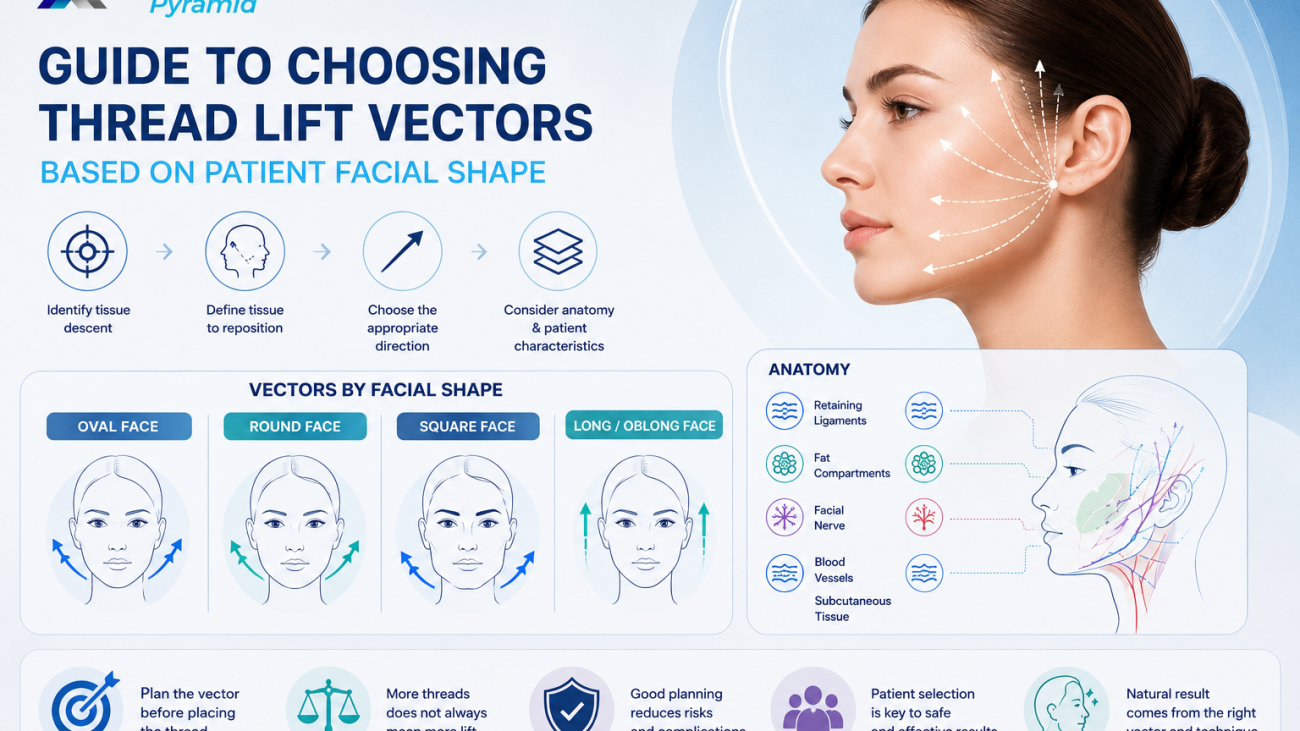
How to Choose Thread Lift Vectors Based on Patient Facial Shape

In Thread Lift procedures, selecting the appropriate lifting direction or vector is an important part of treatment planning. Every patient has a different facial shape, tissue distribution, degree of skin laxity, and anatomical characteristics. Therefore, thread lift procedures should not follow the same vector pattern for every patient.

The right vector is not simply about pulling the tissue “upward.” It should be determined based on the desired tissue repositioning and the patient’s individual facial anatomy.

What Is a Vector in Thread Lift?

A vector refers to the planned direction of force used to help reposition tissue during a Thread Lift Technique.

In simple terms, the clinician needs to assess:

Where has the tissue descended, what tissue needs to be repositioned, which direction is most appropriate for that repositioning?

Because the face is a three-dimensional structure, vector planning should take into account the retaining ligaments, fat compartments, tissue quality, as well as vascular and nerve structures.

Therefore, facial shape is one part of the assessment—not the only factor used to determine the lifting vector.

Adapting Thread Lift Vectors to Facial Shape

1. Oval Face

An oval face generally has relatively balanced facial proportions. When signs of skin laxity are present, areas of focus may include the midface, lower cheek, jowls, or jawline.

The vector should be selected according to the location of tissue descent while maintaining the patient’s natural facial proportions.

2. Round Face

For a round face, the cheek and lower face are often important areas to assess. If the soft tissue is relatively heavy, the clinician should consider how the lifting direction may affect the overall facial contour.

A superior-lateral vector may be considered in certain cases, but it should always be adapted to the patient’s tissue characteristics and treatment goals.

3. Square Face

A square face typically has a broader lower face with more defined mandibular structure.

If the treatment goal is to improve jowling or enhance jawline definition, the vector can be planned according to the location of the tissue that needs to be repositioned. An oblique or superior-lateral vector may be considered in selected cases, but it should not automatically be applied to every square-shaped face.

4. Long or Oblong Face

For a relatively long or oblong face, vertical facial proportions should be carefully considered.

A lifting direction that is too dominant in one axis may not produce harmonious contour changes. Assessment of the midface, lower face, and overall facial proportions is therefore important before selecting the vector.

The key principle: facial shape helps guide treatment planning, but anatomy and the patient’s individual aging pattern remain the foundation of clinical decision-making.

Thread Lift Anatomy: The Foundation of Vector Planning

Understanding Thread Lift Anatomy is essential when planning the pathway and direction of thread lift threads.

Several anatomical structures should be considered, including:

  • Retaining ligaments, which help maintain the position of facial soft tissue.
  • Fat compartments, which can change in volume and position with the aging process.
  • Facial nerve, which must be considered when planning the treatment pathway.
  • Blood vessels, which are important considerations when determining entry points and thread pathways.
  • Skin and subcutaneous tissue, as tissue thickness and quality vary between patients.

A thorough understanding of facial anatomy helps clinicians plan the target, pathway, and vector more precisely.

Does Thread Type Affect Vector Selection?

The choice of thread lift threads should also be matched to the patient’s tissue characteristics and treatment objectives.

Materials such as PDO Threads are commonly used in thread lifting procedures. However, material is only one consideration. Clinicians should also evaluate thread design, cog configuration, tissue engagement, anchoring system, and the patient’s individual tissue characteristics.

With Cog Threads, for example, the cog design provides mechanical engagement with the tissue. However, lifting performance does not depend solely on thread strength.

A useful way to view the treatment strategy is:

Thread Design + Tissue Engagement + Anchoring + Vector + Anatomy = Treatment Strategy

A thread with strong mechanical characteristics still requires appropriate vector and anchoring planning to achieve the intended tissue repositioning.

More Threads Do Not Always Mean More Lift

One important principle in Thread Lift procedures is that the number of threads is not the only factor determining the outcome.

Adding more threads without appropriate planning may increase the risk of issues such as dimpling, asymmetry, contour irregularity, or thread visibility.

A more appropriate approach is:

Plan the vector before placing the thread.

First define the target tissue and desired direction of repositioning, then select the appropriate thread and technique.

Thread Lift Complications and the Importance of Planning

As with any medical procedure, Thread Lift Complications can occur. Reported complications may include swelling, bruising, pain, dimpling, asymmetry, thread visibility or palpability, infection, and thread extrusion.

The risk may vary depending on the patient’s condition, treatment area, thread type, technique, and operator experience.

Therefore, patient selection, anatomical knowledge, thread selection, and vector planning should be considered interconnected components of a comprehensive thread lift procedure.

Conclusion

Choosing a Thread Lift vector should not be based solely on facial shape. Oval, round, square, and long faces may require different strategies, but the final treatment plan should also consider skin laxity, tissue distribution, anatomy, repositioning goals, thread characteristics, and the anchoring system.

Whether using PDO Threads, Cog Threads, or other absorbable thread lift materials, the core principle remains:

Assess the anatomy. Define the target. Plan the vector. Choose the right thread.

With an individualized, anatomy-based approach, clinicians can develop a Thread Lift Technique that is better aligned with each patient’s unique facial structure and treatment objectives.